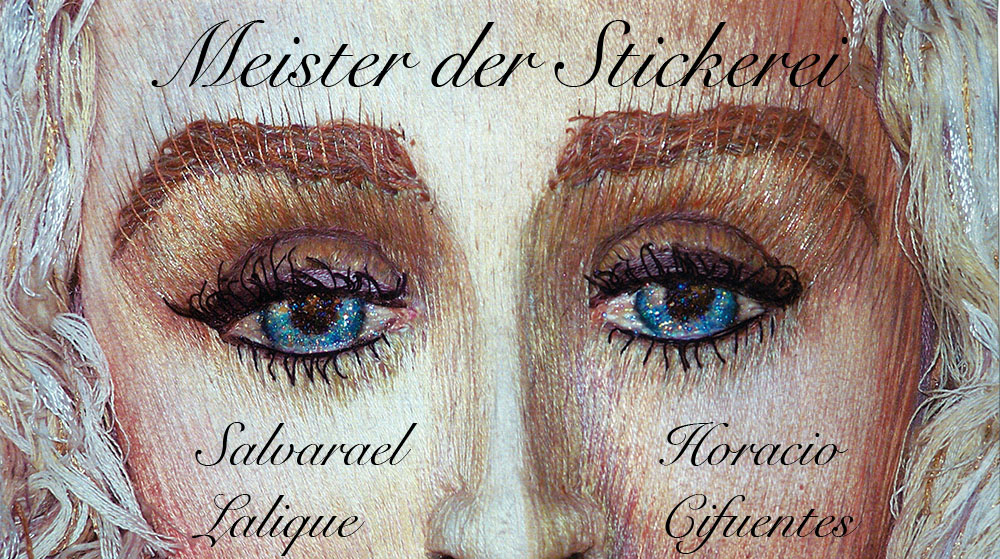
Needle Painting · Fine Embroidery
Masters of Embroidery
Two centuries of artisanal excellence — united in an art form that demands patience, vision, and complete mastery of the needle.


The Art of Needle Painting
Where Painting and Embroidery Converge
Archaeological discoveries attest to the existence of embroidery dating back at least to the 2nd millennium BCE. Among the oldest surviving examples are embroidered textiles found in the tomb of the Egyptian king Tutankhamun (c. 1323 BCE). Embroidery was also widespread in pre-Christian China, India, Mesopotamia, and Asia Minor, where it often depicted religious and mythological scenes and symbols.
During the Middle Ages and the Renaissance, embroidery flourished throughout Europe and became a powerful symbol of wealth and social status. Royal courts and noble families commissioned magnificent embroidered works to demonstrate their prestige and splendor. Embroidery was considered a privilege of the aristocracy and the clergy, serving as a visible expression of prosperity and refinement. In many monasteries, richly embroidered textile artworks were created to adorn sacred spaces, while the coronation robes of the German emperors reveal a highly developed level of artistic and technical mastery.
Today, fine embroidery continues to play a significant role in the world’s leading luxury fashion houses, including Chanel, Dior, and Valentino. Whether in haute couture or in the contemporary art form of Needle Painting, the exceptional craftsmanship and creative vision of embroidery artists continue to flourish around the globe—in both traditional schools and modern artistic practice.